
How to stop mosquitoes breeding in your Cairns yard: a weekly checklist for the dengue mosquito
By Trisim Property Maintenance, CairnsLast reviewed
- 9 min read
- 10 sources checked
- 6 questions answered
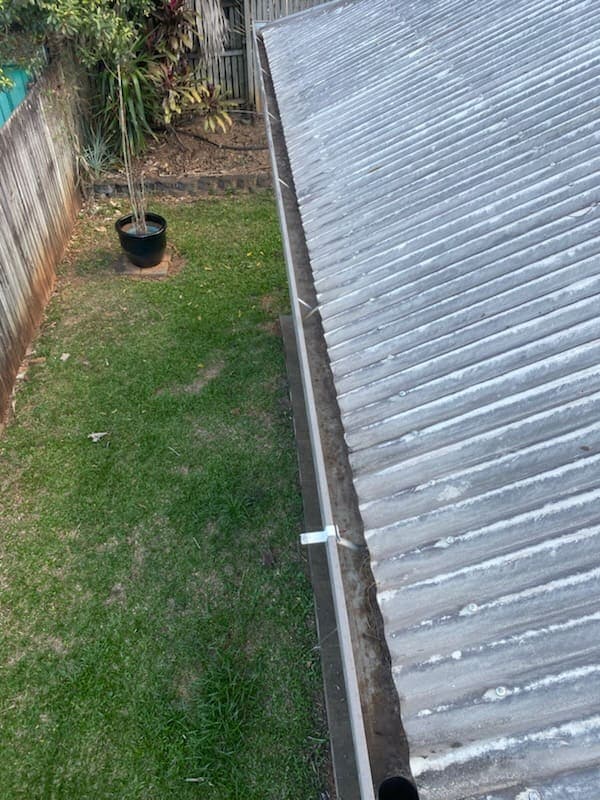
Take away the standing water and you take away the breeding sites. Once a week, tip out or throw away anything holding water, clear blocked gutters and fallen palm fronds, and screen tank openings, because Queensland Health says dengue mosquito larvae become adults in a week or two.
In Cairns the useful question is where the next batch is coming from. The mosquito that spreads dengue in north Queensland, Aedes aegypti, is not a swamp mosquito. Queensland Health says it lives and breeds around people and buildings, in containers and junk, which puts its breeding sites in our own yards.
This guide is a weekly checklist for a Cairns yard, built from Queensland Health and Cairns Regional Council advice: where the dengue mosquito breeds, why gutters matter, how fast larvae grow, and what the Wolbachia releases do and do not change. It comes from Trisim Property Maintenance, which does gutter cleaning across Cairns, so it sticks to the yard and roofline side of the job and leaves sprays and medical questions to the people licensed to answer them.
Why is the dengue mosquito a backyard problem in Cairns?
Dengue is a Cairns concern because the mosquito that carries it lives here, around houses. The virus is not normally present in Australia: Queensland Health says outbreaks begin when someone infected overseas arrives with the virus in their blood and a local Aedes aegypti bites them, and that outbreaks can occur in north and central Queensland each year.
The line that matters most for householders is this one: between outbreaks Australia is free of dengue, but continuous efforts to control the mosquitoes are needed to keep it that way. Every container tipped out in a Cairns yard is part of that effort.
Dengue is not the only reason. Cairns Regional Council says many of the more than 220 mosquito species in Queensland carry diseases such as Ross River fever and dengue, and its August 2025 release on a new Mosquito Management Plan noted that the Cairns and Hinterland region continues to record dozens of mosquito-borne disease cases, particularly Ross River virus and dengue.
Where do mosquitoes breed in a Cairns yard?
Mosquitoes need water to breed. Queensland Health says dengue mosquitoes develop in anything that holds water at home, and Cairns Regional Council's list adds the everyday items that get missed. Walk the yard with these in mind:
- Pot plant bases and saucers, buckets and vases.
- Tarpaulins, plastic covers and children's toys.
- Old tyres, including tyre swings and tyre garden surrounds. Council suggests drilling holes in them so they drain.
- Bird baths and pet drinking bowls.
- Coconut shells and fallen palm fronds.
- Bromeliads.
- Boats, dinghies, tubs and neglected pools. Queensland Health says neglected rainwater tanks, boats, tubs or pools can breed thousands of dengue mosquitoes.
- Rainwater tanks with missing or damaged screens.
- Drain sumps and pits. Queensland Health's workplace guidance says these can produce extremely high numbers of mosquitoes when water pools in the bottom.
- Tree hollows, and cavity brick walls that have not been capped.
- Blocked roof gutters, covered in the next section.
Overgrowth makes it worse. Council says mosquitoes love harbouring in shaded sites, and its February 2026 free green waste release noted that getting rid of excessive vegetation can reduce breeding spots in the yard. If a pile of prunings and fronds is waiting to go, green waste removal gets it off the property, disposal included. Never push it into a drain: Council warns that can cause blockages and flooding in heavy rain.
Can mosquitoes breed in roof gutters? Yes, when water sits in them
Roof gutters breed mosquitoes when they hold water. Queensland Health lists blocked gutters among the places dengue mosquitoes develop at home, and its weekly home check starts with cleaning out roof gutters. Its 2015 to 2020 dengue management plan warned that gutters and underground pits may be overlooked if nobody targets them on purpose.
That warning is the practical point. Leaf litter and silt settle in the base of the gutter and in the downpipe throat where nothing is visible from below. In a yard where the pot saucers get tipped out every week, the gutter can be the one container that never is.
The test is simple: after a shower passes, the gutter should drain empty. Blocked gutters also overflow in heavy rain, into the fascia, the wall cavity and eventually the ceiling; our guide to why gutters overflow in heavy rain covers the causes and fixes.
How long do mosquito larvae take to become adults? About a week or two
Queensland Health says dengue mosquito eggs hatch into wrigglers, the larvae, which develop into adult mosquitoes over a week or two. That timing is the reason the advice is weekly. A saucer tipped out every seven days is emptied before most of what hatched in it can finish developing and fly.
Emptying is only half the job. Queensland Health's instruction is to empty and scrub out containers, then store them in a dry place or throw them away. Its dengue management plan gave the options for anything that collects water: turn it upside down, dispose of it, fill it with sand and mortar mix, or make it free-draining. A container that cannot fill again is one you no longer have to check.
The same plan said prevention work in north Queensland steps up just before and throughout the wet season, from November to April. Treat the weekly check as a year-round habit that matters most once the storms start.
The weekly yard checklist
This is the Queensland Health and Council advice turned into one walk around a Cairns yard. Do it on the same day each week so it becomes routine.
- 1Tip out anything holding water: pot plant saucers, buckets, toys, tarps and plastic covers. Store them dry or upside down, or throw them away.
- 2Empty and scrub bird baths and pet water bowls, then refill them with fresh water.
- 3Check the bromeliads.
- 4Pick up fallen palm fronds and coconut shells, and clear back thick vegetation close to the house.
- 5Turn boats and dinghies over or pull the drain plug.
- 6Check every rainwater tank opening. Council says tank openings should be screened with wire gauze no coarser than 1 mm mesh. Under Queensland's Public Health Regulation 2018, a rainwater tank must have 1 mm metal mesh screens or flap valves on every opening when it is built or installed, and the occupier must keep it that way.
- 7Look into drain sumps and pits for standing water, and drain or fill temporary pools and tree hollows with dirt or sand.
- 8Look up at the gutters. If leaves are showing over the edge or water sits in the run after rain, they need clearing.
If an older parent is finding the walk round harder, a family member can do it on a regular visit, and property managers can add the gutter and tank checks to routine inspections.
Before a big clean-up after rain, read our guide to melioidosis and yard work in the Cairns wet season.
Does Wolbachia mean you can stop checking your yard? No
The Wolbachia program changes how well the dengue mosquito spreads viruses, not whether it breeds in your yard. The World Mosquito Program, a not-for-profit group owned by Monash University, began releasing Wolbachia mosquitoes in Cairns in 2011. Its release areas include Manunda, Cairns North and Woree.
The program says released Wolbachia mosquitoes breed with wild ones until almost all of the local population carries Wolbachia, and those mosquitoes have a reduced ability to transmit viruses such as dengue. It says dengue outbreaks occurred annually in Cairns before the releases. For a householder, three things stay the same:
- The dengue mosquitoes are still there. Wolbachia mosquitoes replace the local population rather than remove it, so they still breed in backyard water.
- Other species are not reduced. The program says Wolbachia does not alter the distribution or abundance of other mosquito species.
- It is meant to work alongside other measures, and travellers still bring dengue in, which the program says can lead to clusters of local transmission.
Queensland Health's dengue page still asks residents to check in and around the home every week. Wolbachia changes what a bite can pass on, not whether the saucers need tipping out.
When to call Council, a pest technician or a doctor
The weekly check is the householder's part. Some problems need someone else, and each has a clear contact.
- Cairns Regional Council: if you have a large number of mosquitoes and the yard tips have not helped, call Council on 1300 69 22 47 or use its Report a Problem form and it will investigate. If it finds breeding on your property, it may treat the site as a temporary measure so you have the chance to fix the cause.
- A licensed pest technician: for treatment options on private land, Council's advice is to contact a licensed pest technician. This guide does not recommend sprays or chemicals.
- A doctor: Queensland Health says to see a doctor immediately if you or anyone in your family has symptoms of dengue. For health advice at any hour, call 13 HEALTH (13 43 25 84). Remember that dengue mosquitoes bite quietly, during the day.
If someone does have dengue, Queensland Health says the local council and Queensland Health can act to stop it spreading further in the neighbourhood. The Queensland Health dengue page lists the symptoms and what to do, and Council's mosquitoes and midges page has the full list of yard tips.
Get the gutters and green waste sorted before the wet
Most of the weekly checklist is a job for whoever lives at the property.
Trisim clears gutters and downpipes across Cairns, the full run rather than just the visible leaf, and quotes the job before starting. Trisim carries public liability insurance and the team is police-checked, which matters for work at a parent's home or a rental. See the gutter cleaning page for the details, and our pre-wet-season yard and gutter checklist for the rest of the jobs to finish before November. Palm fronds, prunings and storm debris are cleared from the property through green waste removal, disposal included in the quote. Trisim also mows lawns in suburbs including Manunda, Cairns North and Woree, so ask about the gutters when you book the lawn.
Common questions from Cairns residents
Yes, whenever the gutter holds water. Queensland Health lists blocked gutters among the places dengue mosquitoes develop at home, and its 2015 to 2020 dengue plan warned that gutters may be overlooked if they are not specifically targeted. Leaf litter and silt settle in the base of the gutter and the downpipe throat, out of sight from below. Clearing the full run and the downpipes so the gutter drains empty after rain removes that habitat.
For the dengue mosquito, roughly one to two weeks. Queensland Health says the eggs hatch into wrigglers that develop into adult mosquitoes over a week or two. That is why the standard advice is a weekly check: tipping out every container once a week removes the water before most larvae in it can finish developing and fly away to bite.
Because the mosquito that spreads it, Aedes aegypti, lives around homes in north Queensland. The virus is not normally present in Australia, but travellers infected overseas can bring it in, and a local mosquito that bites them can pass it on. Queensland Health says outbreaks can occur in north and central Queensland each year, which is why it asks residents to keep removing breeding sites around the home.
They can. Queensland Health's 2015 to 2020 dengue management plan listed bromeliads, along with fallen palm fronds, as natural sites where dengue mosquito larvae can live. Where you already have bromeliads, check them as part of the weekly walk around the yard.
No. Wolbachia reduces the ability of Cairns dengue mosquitoes to transmit viruses, but the mosquitoes themselves remain and still breed in backyard water. The World Mosquito Program says its method works alongside other measures and does not change the numbers of other mosquito species. Queensland Health's dengue page still asks residents to check around the home every week.
During the day. Queensland Health says dengue mosquitoes bite quietly in daylight hours and live and breed around people and buildings rather than in bush or rural areas, so the backyard, patio and the area under the house are where to focus. If you or anyone in the family develops symptoms of dengue, see a doctor straight away, or call 13 HEALTH for advice at any hour.
Sources
- Dengue, Queensland Government (Queensland Health). Accessed .
- Public Health Regulation 2018, section 18, Queensland Government (Queensland Legislation). Accessed .
- Dengue: virus, fever and mosquitoes, Queensland Health. Accessed .
- Mosquitoes and midges, Cairns Regional Council. Accessed .
- Queensland dengue management plan 2015 to 2020, Queensland Health. Accessed .
- Mosquito prevention in workplaces, hotels and schools, Queensland Health. Accessed .
- Council adopts new management plan to combat mosquitoes, Cairns Regional Council. Accessed .
- Free green waste disposal (media release, February 2026), Cairns Regional Council. Accessed .
- Cairns and surrounds, World Mosquito Program (Monash University). Accessed .
- Frequently asked questions, World Mosquito Program (Monash University). Accessed .
Last reviewed by Trisim Property Maintenance. Rules and council services change, so check the source before you rely on a date or a fee.
Related services
Lawn mowing around Cairns
From the Knowledgebase
- Gutters overflowing in heavy rain: what is normal, what is a blockage, and what to do in CairnsWhy gutters overflow in a Cairns downpour, when some overflow is by design, how to spot a blocked downpipe from the ground, and when to call a licensed plumber.Read the article
- Melioidosis and wet-season yard work in Cairns: who is at risk and how to stay safeMelioidosis rises from Cairns soil after heavy rain. Who is most at risk, job-by-job precautions for wet-season yard work, and when to see a GP.Read the article
- Pre-wet-season yard and gutter checklist for CairnsA pre-wet-season yard checklist for Cairns before cyclone season: gutters, green waste, branches, loose items, rental roles and the after-storm clean-up.Read the article
Clear the gutters before the wet season
Gutters and downpipes cleared across Cairns, quoted before any work starts.